
Birthday parties are filled with joy, laughter, and memory-making. However, for many children and families living with disabilities, sensory differences, or cultural and communication diversities, these events can induce more stress than joy. Further, many children with disabilities get unintentionally excluded from birthday parties and celebrations. With a bit of planning, communication, and flexibility, every child and family can feel seen, valued, and included in the celebration.
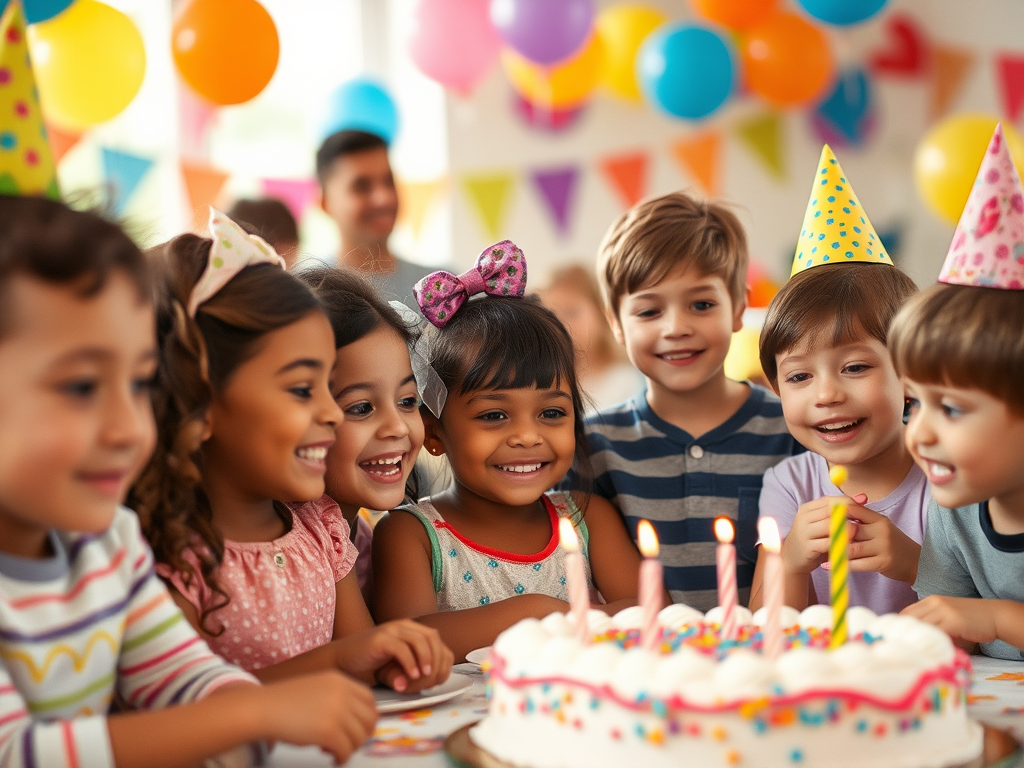
Here are eight practical tips to help make your child’s birthday party more inclusive for all kids and their families:
1. Include Accessibility in the Invitation
Set the tone early. When sending invitations, include a message like:
“We want everyone to feel welcome! Please let us know if your child has any needs (allergies, sensory preferences, mobility support, etc.) we can plan for.”
This small note creates space for communication and reassures families they don’t have to apologize for their child’s needs.
2. Offer Flexible Activities
Children have a variety of preferences, from enjoying loud, fast-paced games to creating art with friends. Create a few options that range in energy level and sensory input:
- Active: relay races, bounce house, scavenger hunts
- Calm: coloring station, bubble play, sensory bins
- Quiet space: a cozy “chill zone” with soft lighting, books, or noise-canceling headphones
Follow the child’s lead as they choose how they want to engage, autonomy builds confidence!
3. Use Visual Schedules or Picture Guides
Consider creating a simple visual schedule showing the sequence of events (e.g., “Welcome → Games → Snack → Cake → Goodbye”). Visual supports help anticipate predictability, especially for neurodiverse kids or kids with anxiety.
Bonus: Visual tools help everybody navigate transitions more easily!
4. Plan for Dietary Considerations
Food can be a significant barrier to inclusion. Ask about dietary needs in advance and label all snacks. Offering a few allergen-free, diabetes-friendly, or culturally considerate options can make a big difference. It may be helpful to ask on the invitation if anyone has dietary considerations, which proactively opens the door to a conversation.
5. Celebrate Without Pressure
Some kids love being sung to, and others don’t. Offer children the option to:
- Have a group sing-along
- Blow out candles quietly
- Skip that part entirely
- Ask the child what they want to do
Creating birthday magic isn’t about doing things a certain way; focus on making the child feel celebrated.
6. Partner with Families
Invite caregivers to share their child’s preferences. Ask:
- What activities do they enjoy?
- What helps them feel safe and included?
- What should be avoided?
Collaboration and open dialogue build trust.
7. Make Space for Different Communication Styles
Some children communicate with gestures, devices, or limited speech. Model inclusive communication by:
- Speaking clearly and directly
- Giving time for processing and responses
- Celebrating all ways of expressing joy and engagement
Activities could be labeled with words and pictures to support understanding.
8. Shift the Focus from “Perfect” to “Meaningful”
Inclusive parties may look different from Pinterest-perfect bashes—and that’s beautiful. When we focus on creating environments where all kids feel like they belong, we redefine what makes a party successful.
My final thought is that championing inclusion and collaboration creates a community of belonging. By intentionally creating inclusive experiences, you’re teaching and role-modeling for families and children that everyone deserves to be celebrated. You’re also modeling empathy, flexibility, and joy in the human experience. That’s a gift that lasts well beyond the party.
I’d love to hear from you! Leave a comment or use the contact us page to get in touch, thank you!
 Embody Occupational Therapy